
Is It Worth Paving a Gravel Driveway?

Last updated: October 2026
Paving a gravel driveway is worth it for most Missouri homeowners who are tired of ruts, washouts, dust and constant regrading. Asphalt gives you a smooth, solid surface that sheds water and plows more easily in winter. The good news: an existing gravel drive can often become part of the new base after it's regraded, topped up and compacted — so you're not starting from scratch. Long rural driveways, steep grades and drainage problems all affect the scope, which is why every project starts with an on-site estimate.
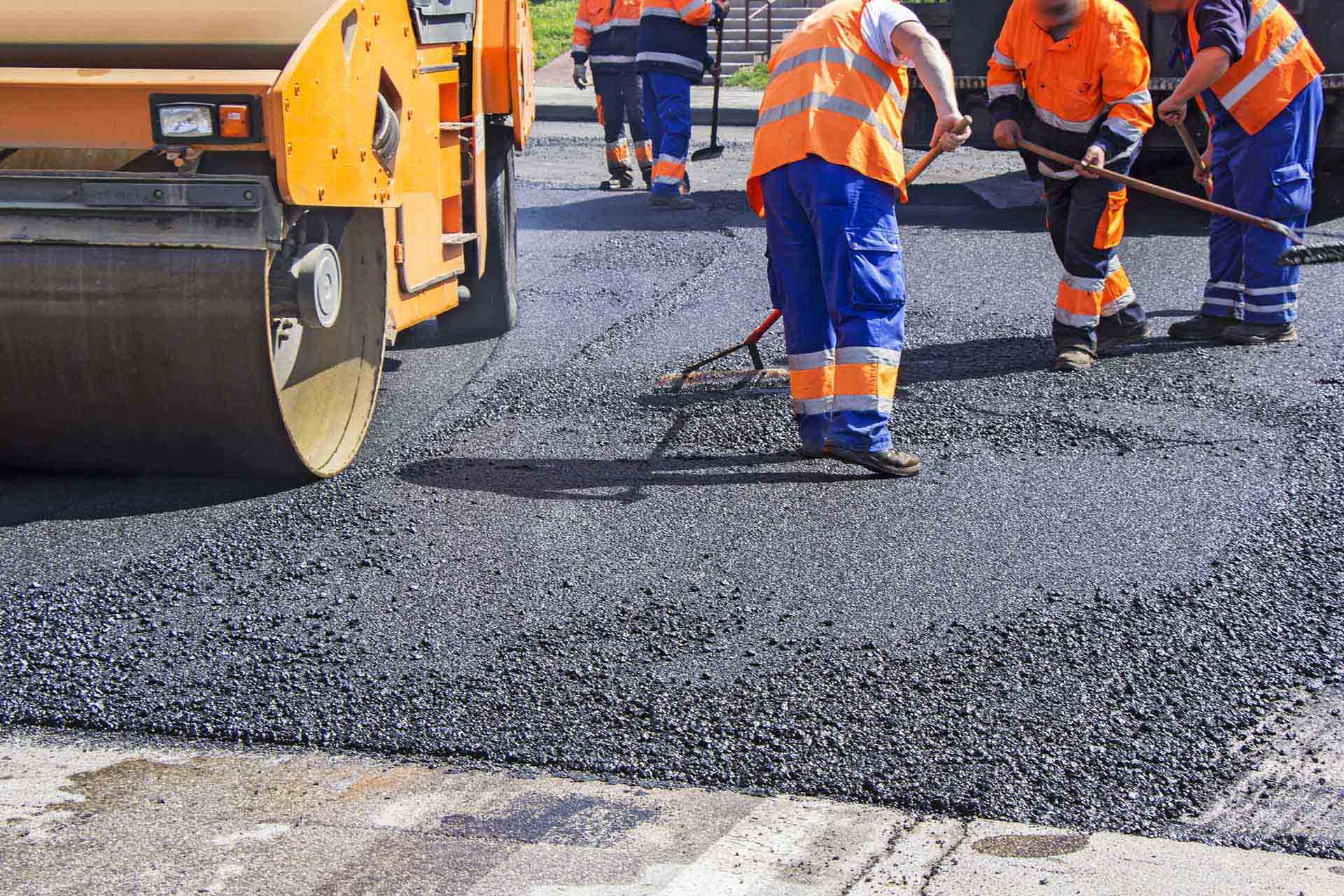
Why Switch From Gravel to Asphalt?
- No more ruts or potholes from rain and tire traffic.
- Less dust on cars, porches and windows.
- Easier snow removal — shovels and plows don't throw rock into the yard.
- Better drainage when the surface is graded to shed water.
- Curb appeal that buyers notice.
Can You Pave Over Existing Gravel?
Often, yes — but not as-is. The gravel needs to be graded for drainage, topped up where it's thin, and compacted into a firm, even base. Soft spots, mud and organic material have to come out first. Skipping this step is the biggest reason new driveways fail early. Base preparation is covered in what to expect from estimate to installation.
What About Long Rural Driveways?
Longer driveways in areas like Warrensburg and Lawrence County often have more grade change and drainage to manage. Culverts, ditches and crowned surfaces help water run off instead of undermining the edges. We'll walk the full length during the estimate.
Asphalt or Concrete for a Former Gravel Drive?
Asphalt usually costs less up front and installs faster, which makes it the common choice for long driveways. Concrete lasts longer and suits shorter drives near the house. Compare them in concrete vs asphalt for your project.
Frequently Asked Questions
How long does a gravel-to-asphalt conversion take?
Most residential driveways take one to two days once the base is ready. Long drives or major drainage work can take longer.
Is it too late in the year to convert?
Paving needs warm, dry weather, so the window narrows quickly in late fall. If it closes, booking an estimate now gets you first in line for spring.
Do I need to seal coat a new asphalt driveway?
Yes, but not right away — usually six to twelve months after paving. See seal coating.
Done with gravel? Call (816) 833-0200 or request a free estimate — we'll walk your driveway and give you a clear quote.