
How to Get a Foundation Paved That Lasts 20+ Years in Lawrence County, MO
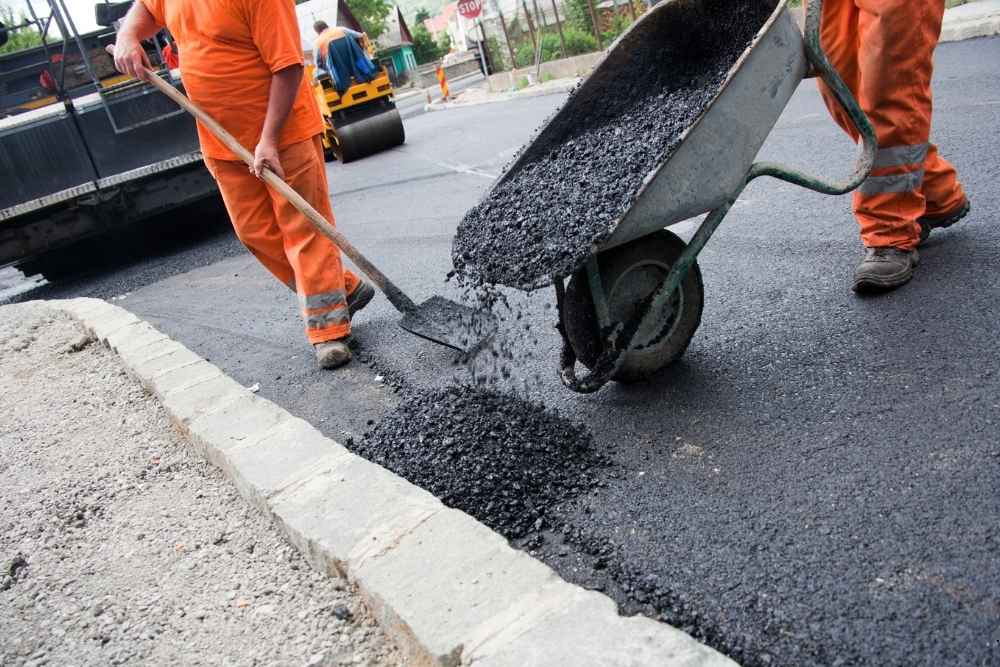
When it comes to building something that lasts, it all starts with the foundation. For property owners across Lawrence County, MO, a properly paved asphalt foundation isn’t just about smooth finishes—it’s about structural stability, drainage, and preparation. Whether you're supporting a garage, shed, parking pad, or even part of a home addition, asphalt foundation paving in Lawrence County, MO must be done right the first time.
As a seasoned asphalt and concrete paving contractor, we’ve seen foundations fail early due to poor planning, rushed jobs, and incorrect materials. But when done correctly, a paved asphalt foundation can easily hold up for two decades or more. Here’s what it takes to make that happen.
Why Asphalt Foundations Are Gaining Popularity
Concrete used to be the go-to for foundation slabs, but asphalt foundations are becoming increasingly common across Lawrence County—and for good reason. Property owners are realizing that asphalt offers several benefits:- Faster curing and installation time
- Greater flexibility in freeze-thaw conditions
- Lower maintenance and easier repair options
- A more budget-friendly approach for non-structural or light-load surfaces
It All Starts With the Sub-Base
One of the most important aspects of building a foundation that lasts is what’s under the asphalt. A proper sub-base provides stability, prevents shifting, and helps manage water. A professional asphalt paving contractor in Lawrence County, MO will start by:- Excavating the area to the correct depth
- Removing organic or unstable soil
- Compacting multiple layers of crushed aggregate
- Grading the surface to encourage water runoff
Drainage Isn’t Optional—It’s Essential
Water is the enemy of every paved surface. If water collects beneath your asphalt foundation, it can cause the sub-base to erode or freeze and expand during the winter. This results in dips, cracks, and even complete foundation movement. We always incorporate drainage solutions into the initial design, including:- Slope planning to ensure runoff flows away from structures
- French drains or trench systems when needed
- Edge grading to guide water away from the base
Thickness and Compaction Are Key
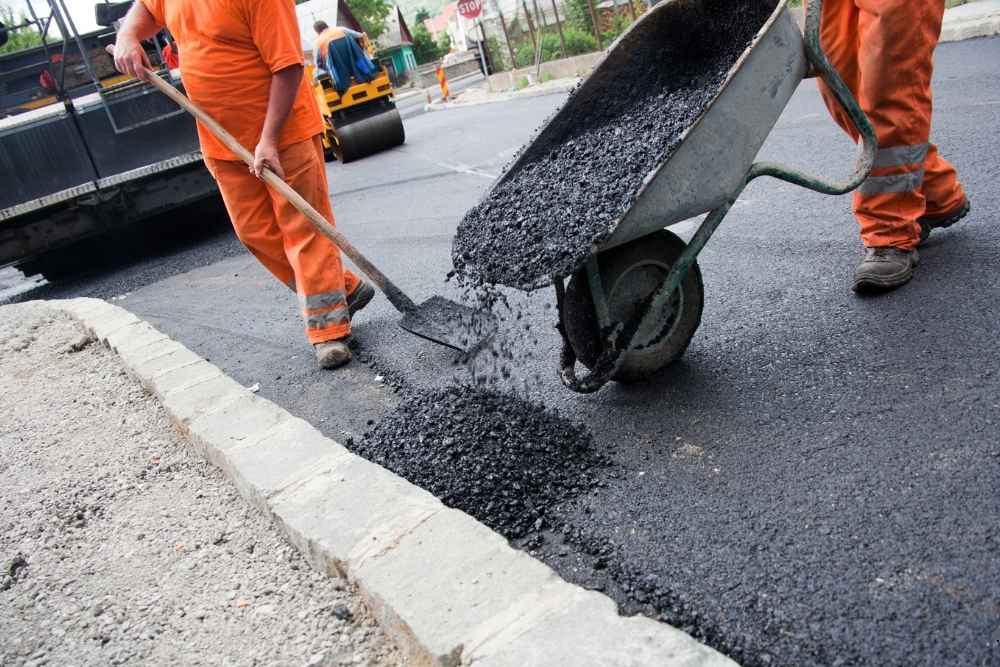
One of the most misunderstood parts of asphalt foundation paving is the actual thickness of the asphalt layer. Many property owners assume “more is better,” but that’s only true if the asphalt is properly compacted. Our approach includes:- Using the right mix for load-bearing applications
- Laying asphalt in layers, compacted thoroughly with each pass
- Applying edge sealing and reinforcement if needed
Matching the Foundation to Its Use
Not all asphalt foundations serve the same purpose. A parking pad for light vehicles needs a different approach than a pad for a workshop or outbuilding. The weight it must bear, the exposure to weather, and how often it's used should all influence the design. For example:- Residential garages may require reinforced edges
- Storage buildings may need additional drainage channels
- Garden sheds might benefit from thinner, more flexible layers
Maintenance Tips That Keep It Strong for Decades
A strong foundation isn’t a set-it-and-forget-it situation. To reach that 20+ year mark, it takes some routine care. Thankfully, asphalt maintenance is simple and affordable. We recommend:- Sealing the surface every few years to protect against water and UV damage
- Keeping debris and vegetation off the edges
- Inspecting for cracks or dips seasonally and scheduling timely repairs
Mistakes to Avoid When Paving a Foundation
Over the years, we’ve seen some avoidable problems lead to premature failure of asphalt foundations. Here are a few things to look out for:- Poor site prep: Rushing the base work is the #1 mistake.
- Improper slope: Flat surfaces trap water and cause erosion.
- Using the wrong asphalt mix: Not all mixes are designed for heavy loads.
- Ignoring edge support: Unprotected edges crumble faster under pressure.
Local Knowledge Makes the Difference
Every town in Lawrence County has unique conditions. From the clay-heavy soil in Freistatt to the steep grades in Mount Vernon, no two projects are alike. That’s why it helps to work with a contractor who understands:- Local permitting and zoning rules
- Common soil and terrain issues
- Weather patterns and freeze-thaw cycles