
Can You Pave or Pour Concrete in Winter?
Last updated: November 2026
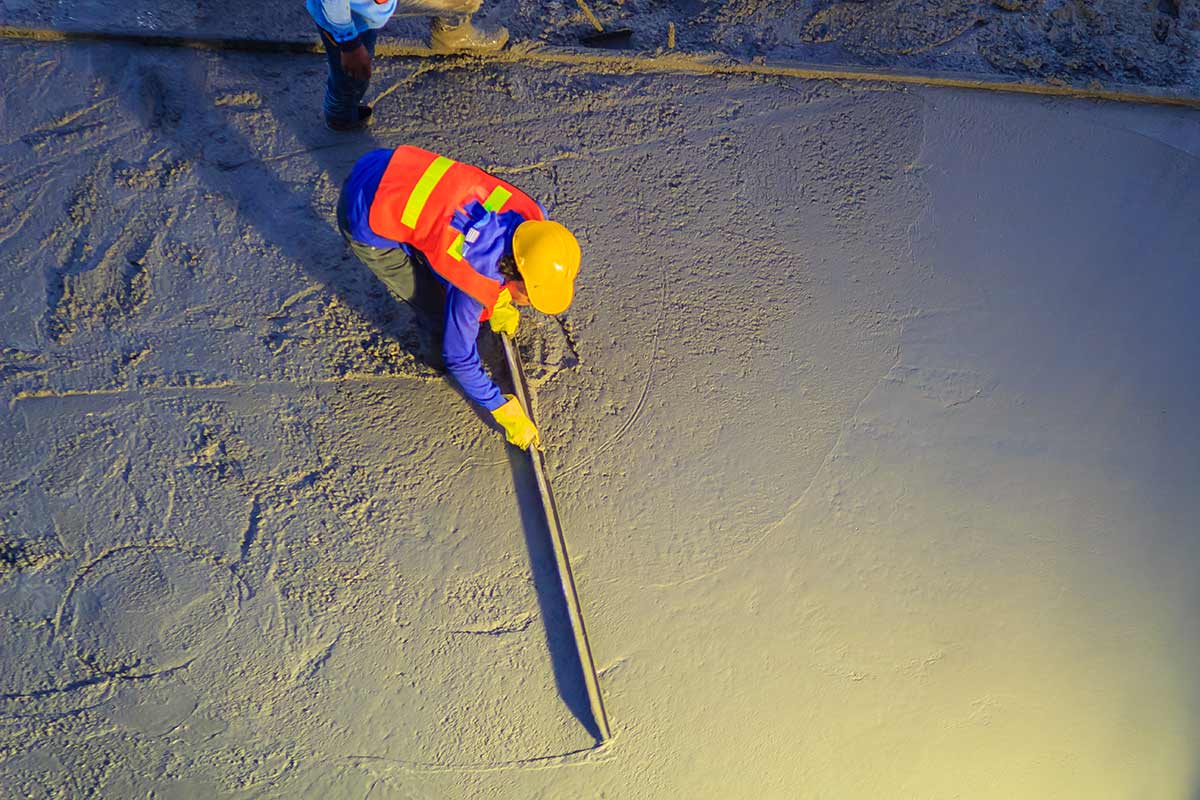
Asphalt paving generally can't be done well in a Missouri winter, but some concrete work can — with the right precautions. Hot-mix asphalt cools too fast in cold air to compact properly, so new paving and permanent patches wait for spring. Concrete can be poured in cold weather if it's protected from freezing with blankets, enclosures or heat until it gains early strength. Emergency pothole patches with cold mix are possible any time, but they're temporary.
Why Can't Asphalt Be Paved in Winter?
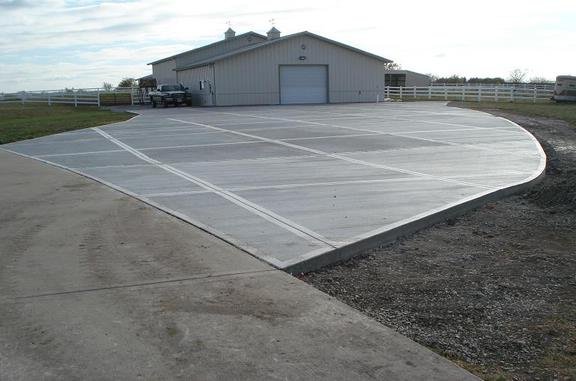
Hot-mix asphalt has to be compacted while it's still hot. In cold air and on frozen ground, it cools before rollers can compact it to full density, leaving a weaker surface that cracks and ravels early. Many asphalt plants also cut back or close for the season. That's why paving in the Kansas City metro usually wraps up by late fall — see commercial paving before fall.
Can Concrete Be Poured in Cold Weather?
Yes, with care. Concrete is generally considered to be in "cold weather" conditions once air temperatures fall to around 40°F. The concrete can't be placed on frozen ground and has to be kept from freezing until it gains early strength — using insulated blankets, enclosures or heat. The American Concrete Institute publishes guidance on cold-weather concreting. Not every project is worth the extra cost and risk; we'll tell you honestly whether yours is.
What Can Be Fixed in Winter?
- Temporary pothole patches with cold mix to keep driveways and lots safe.
- Some concrete projects with proper cold-weather protection.
- Planning and estimates so you're first on the schedule in spring.
Is a Cold-Patch Pothole Repair Permanent?
No. Cold patch fills the hole and keeps traffic moving, but it doesn't bond like hot mix. Plan on a permanent repair once warm weather returns.
Frequently Asked Questions
When does the paving season start again?
Usually in spring once temperatures are consistently warm and the ground is dry. Exact timing depends on the year.
Should I avoid salt on concrete poured this fall?
Yes — new concrete is most vulnerable its first winter. See does salt damage concrete or asphalt?
Can I still get an estimate in winter?
Absolutely. Winter is the best time to plan and lock in a spring start. See our asphalt paving and concrete services pages.
Need a winter fix or a spring plan? Call (816) 833-0200 or request a free estimate — same-day response.