
Does Salt Damage Concrete or Asphalt?
Last updated: November 2026
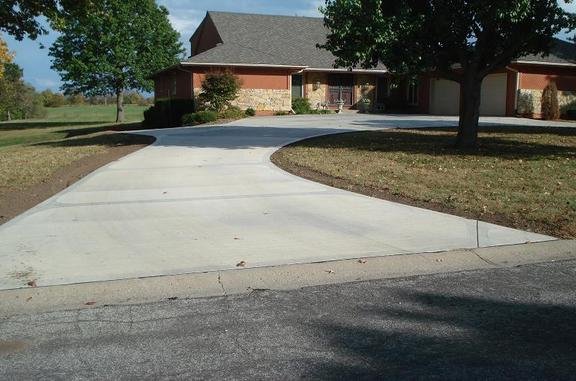
Salt can damage concrete, especially concrete less than a year old, and it adds to freeze-thaw wear on both concrete and asphalt. On concrete, ice melt pulls extra water into the surface, which then freezes and flakes off the top layer — called scaling. Asphalt is more resistant to salt itself, but meltwater still seeps into open cracks and refreezes. The safest approach: avoid de-icers on new concrete its first winter, use the least ice melt that works, shovel early, and seal cracks and surfaces before winter.
Why Does Salt Hurt Concrete?
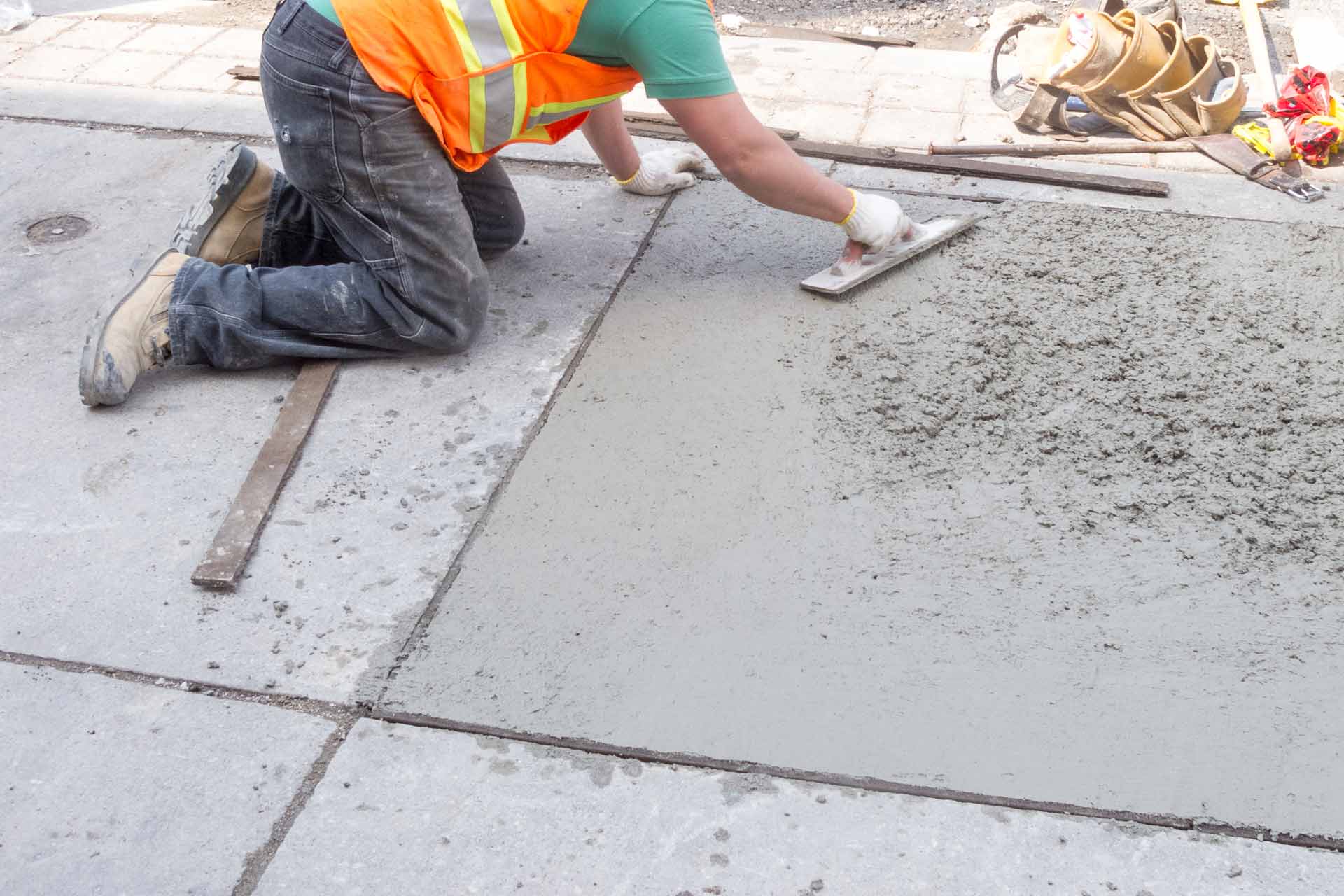
Concrete is porous. Salt lowers the freezing point of water, so snow and ice melt — and that water soaks into the surface. When temperatures drop again, it refreezes and expands inside the concrete. Repeat that dozens of times in a Missouri winter and the surface starts to flake, pit and expose the stone underneath.
Is New Concrete More at Risk?
Yes. Concrete keeps gaining strength for weeks after it's poured and is most vulnerable in its first year. The general recommendation is to avoid de-icers entirely on concrete poured within the last year — use sand for traction instead. The American Concrete Institute has more on how curing affects durability.
Which Ice Melts Should You Avoid?
Steer clear of products containing ammonium nitrate or ammonium sulfate — they chemically attack concrete. Read the label, use only as much as you need, and sweep up leftover product once the ice is gone.
What About Asphalt?
Asphalt handles salt better than concrete, but meltwater still finds its way into cracks and refreezes, widening them. Heavy salt use can also wear down seal coating faster. Sealing cracks in fall is the best protection — see crack sealing vs crack filling.
How Do You Protect Your Driveway This Winter?
- Shovel early, before snow is packed into ice.
- Use sand on new concrete instead of ice melt.
- Seal concrete with a penetrating sealer when recommended.
- Seal asphalt cracks and seal coat on schedule.
- Rinse salt residue off in mild spells.
Frequently Asked Questions
My concrete is already flaking. Can it be fixed?
Light scaling can sometimes be resurfaced; deep damage may need replacement. See our concrete services.
Is asphalt or concrete better in a Missouri winter?
Both work when built and maintained well. Compare them in concrete vs asphalt.
Does salt hurt parking lot striping?
Salt and plows both wear paint down, so most lots need restriping in spring. See how to prep a parking lot for winter.
Worried about winter damage? Call (816) 833-0200 or get a free estimate — serving Independence and the Kansas City metro since 2002.